

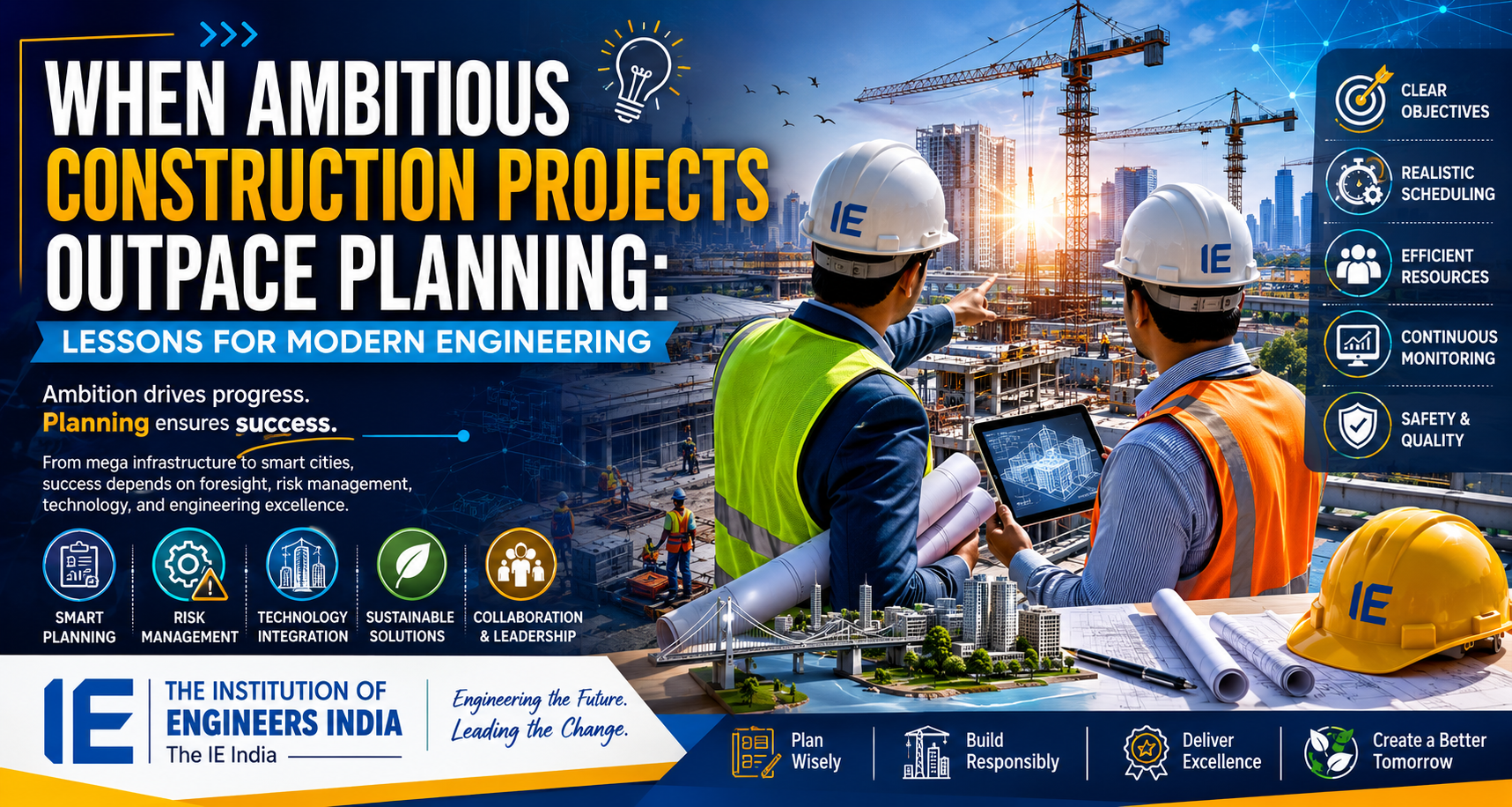
Large-scale construction projects symbolize progress, innovation, and economic growth. From smart cities and transportation corridors to mega bridges and industrial infrastructure, ambitious projects often capture public attention and national pride.
However, history has shown that the bigger a project becomes, the greater the challenges it faces. Cost overruns, schedule delays, resource shortages, design changes, and unforeseen technical complications can quickly transform a promising project into a difficult undertaking. Studies of major infrastructure projects around the world consistently show that early planning, risk assessment, and procurement decisions significantly influence project outcomes.
Why Mega Projects Become Difficult to Manage
Large construction projects involve thousands of interconnected activities, multiple stakeholders, regulatory requirements, and evolving technical demands.
While ambition drives innovation, project complexity often grows faster than anticipated. Common challenges include:
- Incomplete project scoping during early stages
- Underestimation of costs and timelines
- Changes in stakeholder requirements
- Supply chain disruptions
- Workforce shortages
- Environmental and regulatory constraints
Even minor planning assumptions can create significant consequences when multiplied across multi-year projects.
The Cost of Underestimating Risk
Risk management is not simply a compliance exercise—it is a critical engineering function.
Many large infrastructure projects encounter challenges because risks are identified too late or evaluated too optimistically. Geological uncertainties, material price fluctuations, weather conditions, and technology integration issues can substantially affect budgets and schedules.
Successful engineering organizations build risk assessment into every phase of project development rather than treating it as a one-time activity. Experts studying major projects emphasize that decisions made during procurement and planning can influence project costs and performance for decades.
Engineering Excellence Starts with Planning
The most successful projects are rarely the most ambitious—they are often the best planned.
Effective project planning includes:
Clear Objectives
Every stakeholder must understand the project’s goals, expected outcomes, and performance requirements.
Realistic Scheduling
Aggressive timelines may appear attractive initially but often lead to delays when unforeseen challenges emerge.
Resource Allocation
Proper workforce planning, equipment availability, and material procurement help prevent costly interruptions.
Continuous Monitoring
Modern digital tools allow engineering teams to track progress, identify bottlenecks, and respond quickly to emerging issues.
Digital project management and construction technologies are increasingly helping organizations improve efficiency and reduce rework.
Technology Is Changing Project Delivery
The construction sector is undergoing a technological transformation.
Advanced tools such as:
- Building Information Modeling (BIM)
- Digital twins
- Artificial Intelligence
- Real-time project analytics
- Automated reporting systems
are enabling engineers to improve decision-making and project visibility.
By integrating technology throughout the project lifecycle, organizations can detect problems earlier, optimize resources, and improve collaboration among stakeholders.
Sustainability Adds a New Dimension
Modern construction projects must deliver more than financial success.
Today, governments, businesses, and communities expect infrastructure to be environmentally responsible and sustainable. Construction projects are increasingly evaluated not only on cost and performance but also on carbon emissions, resource efficiency, and long-term environmental impact.
Engineers play a central role in balancing these objectives while maintaining safety, functionality, and economic viability.
Building the Future Through Better Engineering
Ambitious projects will always be necessary to meet the demands of growing populations, expanding economies, and technological advancement.
The lesson is not to avoid ambition.
The lesson is to match ambition with planning, innovation with risk management, and vision with engineering discipline.
When engineering expertise is integrated from concept through execution, even the most complex projects can achieve lasting success.
The IE India’s Perspective
At The Institution of Engineers India (The IE India), we believe that successful infrastructure development depends on strong engineering leadership, professional competence, and continuous learning.
As projects become larger and more technically demanding, engineers must be equipped with the skills needed to manage complexity, embrace innovation, and deliver sustainable outcomes.
The future of construction belongs not only to those who dream big—but to those who plan wisely and execute effectively.